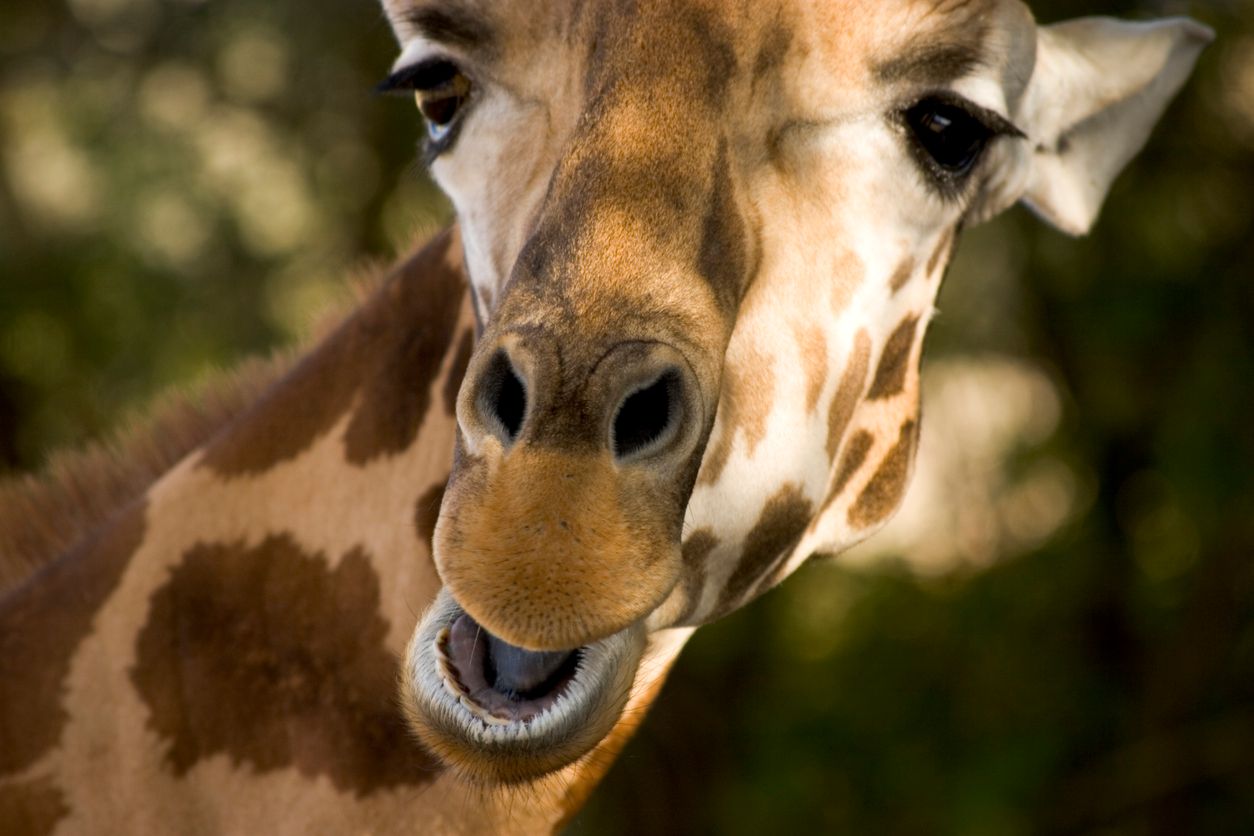

Most mammals, almost all animals, and all people have natural teeth that start emerging and developing in their early youth (whether or not these teeth later fall out or get pulled.) While there are many differences between the teeth in different animals, there are certain key similarities as well, most significantly that these teeth come in four basic kinds, each serving a similar role in the process of eating.
These kinds are: incisors, which are used for biting; canines, which are used for chewing; premolars, which are used to help with chewing, crushing, and grinding; and molars, which are used for crushing and grinding. Through these combined roles, the teeth allow us to eat the food that keeps us growing up strong and staying healthy.
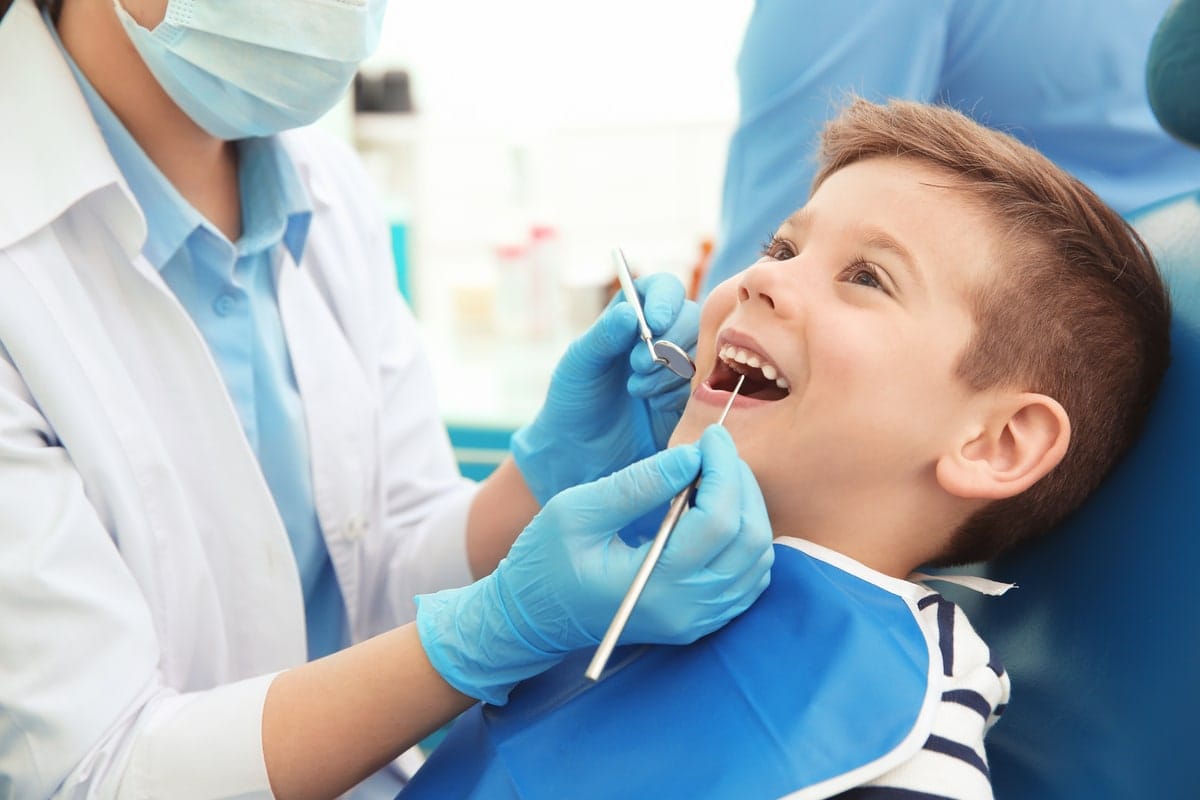
Contact your child’s pediatric dentist in Virginia Beach right away to set up an exam, and learn how you can better help your child keep these teeth healthy and prevent them from developing dental problems.
If you’ve ever wondered why horses have such buckteeth, it’s because those teeth never stop growing. Those teeth are incisors, and horses use them the same way we use ours: to bite off pieces of food to eat.
Different creatures have different numbers of incisors. We have eight incisors in all, four each on the top and bottom jaw. They’re the most observable teeth in the mouth because they’re located right up front.
Like horses, people have two sets of teeth. When we’re born, we have baby teeth hiding beneath our gums waiting for the right moment to emerge. Later, we develop our adult teeth, which push through our gums to make the baby teeth fall out, effectively replacing them. Because our second set of teeth is our final set of (natural) teeth—dentures and implants not included—they are also often called our “permanent” teeth. Most adult humans develop 32 permanent teeth in all, while adult horses can have from 36 to 40 of them.
As horses and people grow, the hard enamel on the teeth that protects them from disease and decay wears off and erodes. Horses, however, replace this enamel naturally over time, while humans do not. That’s why we need to see dentists regularly to prevent our precious tooth enamel from wearing thin and, when it does, to protect the exposed underlying tooth. Schedule a session with your child’s pediatric dentist to get started early keeping their precious tooth enamel healthy, strong and lasting for a long time. Call Konikoff Pediatric Dentistry now.
Other creatures—like mice, rats, beavers and rabbits—also have incisors that just keep growing. This is why you’ll always see them gnawing on hard objects: so they can keep those incisors from growing to an unmanageable size. They grind and file those teeth so they can use them to eat effectively and keep them comfortable in their mouths.
Of all the animals, hippopotamuses have the longest canines. Canine teeth are the pointy teeth next to the front teeth. In humans, there are two canines on the top and two on the bottom of the jaw.
Hippos also have extremely long and strong teeth. Hippo incisors, for example, can grow up to three feet in length and are strong enough to tear straight through a small boat. In all, hippos have 36 teeth as adults, made up of two incisors, one canine, three premolars and three molars on each quadrant of the jaw: upper left, upper right, lower left, and lower right.
The molars are the teeth way back in the mouth that help you grind your food down into particles small enough to swallow. Therefore, they have very wide and flat surfaces.
Elephants have molars too, except they’re approximately 10 pounds apiece. That means one elephant molar weighs about as much as your whole head.
Dogs don’t get cavities because they have an impressive ability to keep their teeth clean and protected by chewing and gnawing on hard objects. Their saliva is also extremely good at destroying bacteria and, in so doing, preventing breaking or decay.
People, on the other hand, can easily get cavities if they don’t take good care of their teeth. This includes eating a healthy diet that doesn’t contain a lot of sugars, salts, or acidic things, brushing and flossing daily at home and seeing a pediatric dentist in Virginia Beach at least twice per year for a general checkup and cleaning as well as any time you notice redness, swelling, pain, or discomfort or any other problem with your mouth. Call us today to schedule an appointment with a children’s dentist in Virginia Beach who can make sure your child doesn’t get cavities and can keep their teeth healthy and looking beautiful as they grow.